Over 400 years ago, the dance of Izumo no Okuni captivated all of the audience, which became KABUKI, and from that Japanese Dance was born. Whether you’ve seen it before or not,
we hope you find it interesting…
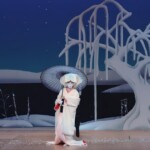
This time, we’ll talk about “JUSANYA (The Thirteenth Night)”, a lyrical song frequently performed in Japanese Dance.
*This site contains promotions.
|The Song, “JUSANYA”
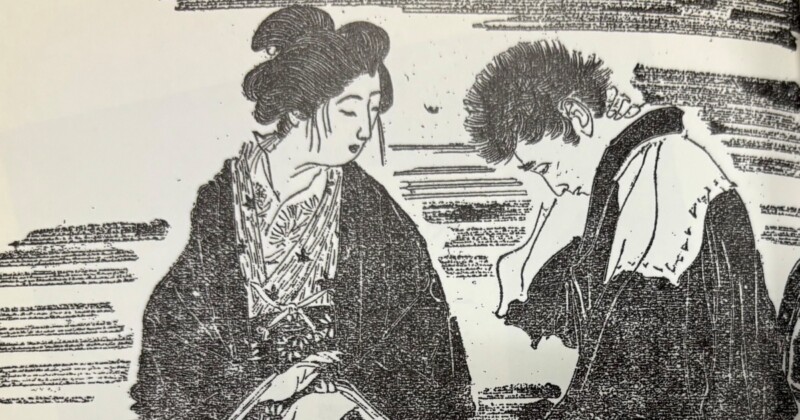
The song is based on “JUSANYA”, a story by the Meiji-era writer ICHIYO HIGUCHI. The heroine of the story is OSEKI, whose feelings and struggles are delicately portrayed through the lyrics.
“JUSANYA” literally means the moon of the thirteenth night of the lunar month, a moon not yet quite full, and perhaps that incomplete moon reflects OSEKI’s own unfulfilled life.
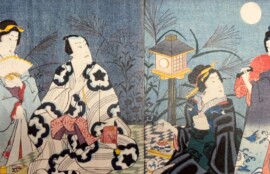
Under the light of the Thirteenth Night moon, OSEKI reflects upon a love that never came to fruition and a life that did not unfold as she had hoped.
The moon serves as more than a simple backdrop. It quietly reflects the sorrow, regrets, and lingering emotions that remain in OSEKI’s heart.
The grief of loving someone yet being unable to be together, the passage of time, and dreams left unfulfilled are all woven into the image of the Thirteenth Night moon.
Through its nostalgic melody, the piece presents the human heart in a way quite different from the original literary work.
|The History of the Song
The song, “JUSANYA” was first recorded by MITSUKO OGASAWARA in 1941, the year the Pacific War began. Because of the wartime atmosphere, it did not become a major hit upon its release.
After the war, however, it gradually gained popularity through amateur singing competitions and radio programs. The famous singer TARO SHOJI frequently performed this song, and over time it came to be regarded as one of his signature works. Today, many people associate “JUSANYA” more readily with him than with its original singer.
The song was later recorded by many other singers and remains a beloved classic for generations to this day.
With its beautiful moonlit imagery and quiet sense of melancholy, “JUSANYA” still resonates with audiences. Perhaps that is because feelings such as love, regret, and longing remain much the same, no matter how much times change.
◆CONTACT
https://miya-ds.com/en/contact/
◆TRIAL LESSON
https://miya-ds.com/en/trialsession/
◆JAPANESE DANCE SCHOOL MIYA
https://miya-ds.com/en/
◆MIYANAGI RYU
https://www.miyanagiryu.com