Over 400 years ago, the dance of Izumo no Okuni captivated all of the audience, which became KABUKI, and from that Japanese Dance was born. Whether you’ve seen it before or not,
we hope you find it interesting…
Today, we’ll talk about how Samurai in Edo spent their summers.
|Summer Life of Samurai
Unlike the common people, who enjoyed the summer relatively freely, the Samurai who served the shogunate and feudal domains were constantly required to uphold the “dignity of the Samurai class” and were bound by a sense of honor and strict rules.
|Summer Foes
For the Samurai, the greatest enemy of summer was their clothing. In the Samurai class, seasonal wardrobe changes were observed four times a year, and during the summer they wore light summer garments such as Hitoe (unlined) and Katabira (lightweight). However, on formal occasions or when entering Edo Castle, it was customary to wear hemp Kamishimo. Moreover, because fanning oneself with a folding fan inside the castle was considered improper, Samurai were expected to endure the heat while maintaining a composed, cool expression.
|Summer Daily Rhythms
Samurai in the Edo period followed a unique work pattern that alternated between days spent at the castle, known as “Tojobi”, and days spent waiting at home or at their duty stations. Their work arrangements were broadly categorized into three types: “Bankata” (responsible for security), “Yakukata” (responsible for administrative duties), and “Muyaku”, who held no official post.
“Bankata” were lower‑ranking Samurai responsible for guarding Edo Castle and its gates. Their basic schedule followed the system known as “Mikka Zutodome”, in which one day of duty was followed by two or three days off. As a result, they worked only around ten days a month and earned modest income, so on their off‑days (called “Hiban”) they often took on side jobs to supplement their living expenses.
“Yakukata” held administrative roles, handling tasks such as document preparation and financial reviews and reported to the castle only on days when meetings or ceremonies were scheduled; otherwise, they worked from the study rooms of their residences. This style of work was similar to modern remote work.
“Muyaku” were said to be the most numerous among Samurai in the Edo period. Because official posts were extremely limited compared with the size of the Samurai population, many Samurai spent their entire lives without ever being appointed to public duty, regardless of rank.
The ways Samurai spent their summers differed depending on their roles and work schedules. On days when they reported to the castle, Samurai returned home and finally freed themselves from their formal attire, changing into light, comfortable Kinagashi garments. Rather than going out to the riverside as townspeople did, they typically enjoyed quiet evening coolness within their residences. Samurai residences often had spacious gardens with large ponds and trees, allowing them to enjoy the breeze passing over the water. They spent time on the veranda with a fan in hand, and at times enjoyed moon‑viewing with their families.
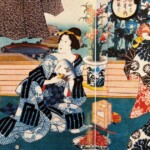
While high-ranking Samurai enjoyed the luxury of relaxing in the cool privacy of their spacious residences and gardens, lower-ranking Samurai such as “Bankata” and “Muyaku” lived in conditions much closer to those of townspeople, engaging in seasonal side jobs such as developing new varieties of morning glories or crafting insect cages. Since being seen by townspeople while doing such work was considered shameful, they reportedly worked quietly in the inner parts of their residences during the day and secretly handed over their work at night or in the early morning.
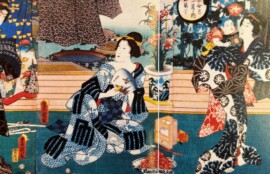
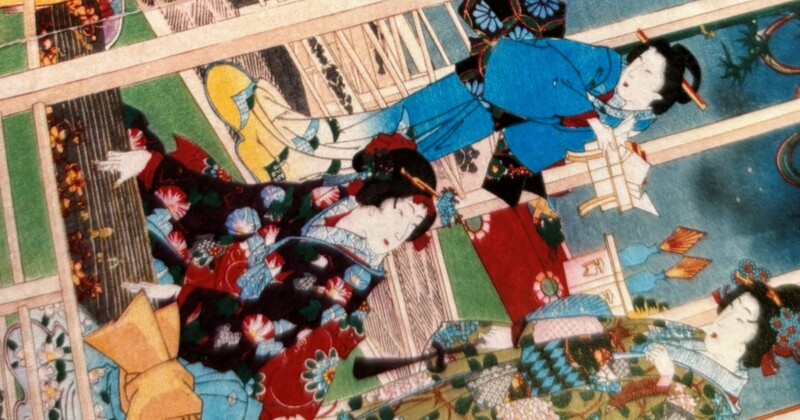
“Morning Glories at Iriya in the Eastern Capital (Iriya no Asagao), from the series Thirty-six Selected Flowers
” by Utagawa Hiroshige II (Shigenobu) from Museum of Fine Arts, Boston
https://collections.mfa.org/objects/517986
|Summer Delicacies
Samurai also had distinctive summer foods that differed from those of townspeople. In the residences of high‑ranking Samurai, such as those of the Shogun’s family or powerful Daimyo, they had ice stored in distant icehouses brought in during the summer so they could enjoy chilled sweets and fruits. This was a special luxury permitted only to those of high status.
At the same time, they also had a custom of drinking hot water or herbal infusions out of concern for their health. Because falling ill from the summer heat and missing work would have harmed a Samurai’s honor, they reportedly avoided consuming too many cold foods or drinks and instead ate warm barley rice and nutritious Tofu to ward off summer fatigue.
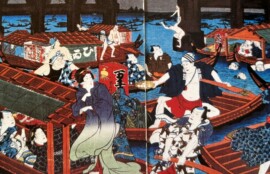
During the Edo period, which fell within the Little Ice Age, the average temperature in July and August was around 25°C, and days exceeding 30°C were rare, making the summers far more comfortable than they are today. Even so, without air conditioners or refrigerators, people in Edo found creative ways to bring coolness into their daily lives and enjoy the season, offering us modern readers valuable lessons in ingenuity. The song “Suzumibune” depicts scenes of river breezes and evening coolness, and perhaps it is a piece that conveys the sensibility and playful spirit of an Edo‑period summer.
*This site contains promotions.
◆CONTACT
https://miya-ds.com/en/contact/
◆TRIAL LESSON
https://miya-ds.com/en/trialsession/
◆JAPANESE DANCE SCHOOL MIYA
https://miya-ds.com/en/
◆MIYANAGI RYU
https://www.miyanagiryu.com